

















The State of the Nation on Brava Island, the Unnerving Silence of Oblivion, and the Urgency of Dignity
In the week that the State of the Nation address is to be presented to Parliament, Bravanews, in this editorial, conveys the sentiments of Bravanese residents and emigrants regarding the state of neglect and deprivation in which the island of Nhô Tatai finds itself.
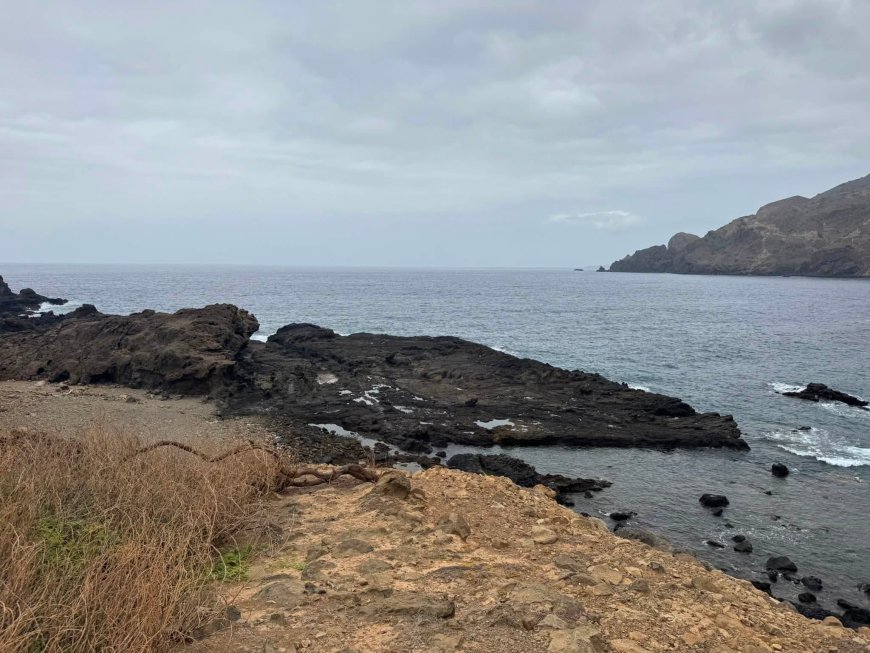
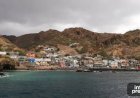
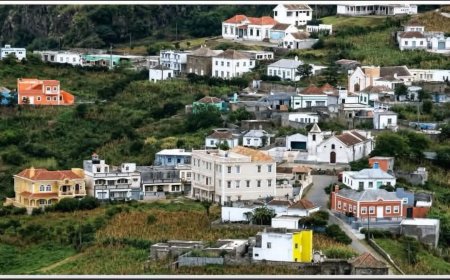
Brava, tiny in size and home to about 5,000 people, bears the suffocating burden of being Cape Verde’s most isolated territory. Sustained by artisanal fishing, by family-run rain-fed agriculture that stubbornly persists, by small-scale commerce, and by vital remittances from our generous diaspora in the United States and Portugal, the island exists in a sort of temporal limbo. Despite its unique natural beauty, its blessed agricultural microclimate, and its latent tourism potential, the scene that unfolds is one of accumulated historical neglect, where neither public investment nor private initiative seems to find a way forward.
This ongoing isolation has fostered a deep sense of neglect and marginalization among the people of Brava, who feel sidelined by national development priorities. Without a labor market capable of absorbing talent and without basic public services functioning with even a minimum of efficiency, we are witnessing a painful demographic exodus. Young people, devoid of prospects and weary of unfulfilled promises, see emigration to Praia or abroad as the only possible way out. If the government does not intervene urgently and with strategic vision, we run the real risk of witnessing the irreversible depopulation of an entire community.
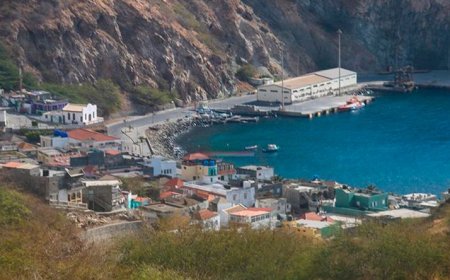
The island’s biggest and most chronic bottleneck lies in its transportation system. The Port of Furna, the island’s main gateway, remains inoperable or under conditions of extreme risk for more than 40 days a year due to the southwest swell, caused by a short breakwater that fails to protect the bay from the waves. As if the tyranny of the sea weren’t enough, the island has only two to three weekly ferry connections to Fogo and Santiago, plagued by constant delays and last-minute cancellations that leave patients, students, and goods stranded on land.
The port’s operations are, in and of themselves, a monument to improvisation. With a poorly suited Ro-Ro ramp and no functional cranes, the unloading of goods is carried out in a rudimentary manner, a slow process that drives freight costs to shameful levels—the highest in the country. Furthermore, since the decommissioning of Esparadinha Airport in 1998, Brava has been dependent on a single mode of transportation. When the vessel breaks down, the island is completely cut off for weeks, unacceptably infringing on the constitutional right to mobility of those who live there.
In the healthcare sector, the outlook is equally bleak. The Nova Sintra Health Center lacks a functional operating room, modern X-ray equipment, and laboratories capable of performing essential tests. The medical staff consists solely of general practitioners, with a complete absence of specialists in basic fields such as pediatrics, gynecology, or surgery.
In the event of a medical emergency, patients in Brava are at the mercy of chance and the weather, relying on maritime evacuations to São Filipe or Praia. When the sea rages and prevents navigation, rescue is delayed and lives are lost due to a lack of timely care. Adding to this daily tragedy, the public pharmacy frequently runs out of essential medications, and the growing elderly population finds no specialized geriatric care within the system.
The water shortage on Brava has reached the proportions of a true structural crisis. As one of the islands with the highest water stress in the archipelago, Brava depends on unpredictable rainfall and springs that are under imminent threat of reduced flow. Settlements in highland areas such as Mato Grande, Mato, Nossa Senhora do Monte, and Cachaço can go months at a time without a single drop of water coming from their taps, surviving only through water tankers and community efforts.
The much-touted seawater desalination plant, promised as the salvation of the water supply, remains stuck in the corridors of government bureaucracy, as officials await a resolution to the problem of excess manganese. At the same time, basic sanitation remains a pipe dream for about 60% of Brava’s households. In areas of Furna and Nova Sintra itself, sewage flows in the open, posing a threat to public health and human dignity that can no longer be ignored.
Economically, Brava is paralyzed by youth unemployment exceeding 40%. Artisanal fishing, a pillar of local identity, is withering away due to the lack of cold storage and ice-making infrastructure, preventing the preservation of the catch and forcing fishermen to sell their catch at bargain prices before it spoils.
In agriculture, the situation deters private investment: high-quality products such as bananas, papayas, and vegetables rot in the fields because farmers cannot afford the exorbitant shipping costs or rely on consistent distribution schedules. With no industry, no hotels of adequate size, and a retail sector stifled by transportation costs, young people with higher education see no reason to return. Remittances from emigrants continue to ensure families’ daily survival, but they do not replace the productive development the island needs.
In the field of education, the island offers schooling only through 12th grade. Those who aspire to a university education are forced to leave the island for Santiago or São Vicente—a move that most low-income families simply cannot afford, thereby cutting off talent before it can even flourish.
Even in secondary education, at the Eugénio Tavares School, there is a constant shortage of teachers in core subjects such as physics, chemistry, and English, driven by the island’s lack of appeal and isolation. Added to this, internet access in schools is poor, and opportunities for technical vocational training are practically nonexistent, leaving young people without the tools to meet the challenges of the modern economy.
The energy sector reflects the same contradictions. Power outages are frequent, particularly in the summer, harming businesses and making it difficult to preserve food. The Favatal power plant continues to rely exclusively on fossil fuels, producing expensive and polluting energy that drives up household bills.
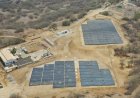
The project to install a 1 MW solar photovoltaic park—which would provide clean energy and lower costs—has been dragging on for years without explanation. Without stable and affordable energy, it is impossible to operate fish-cooling units, ensure efficient water pumping, or support any small-scale processing industry.
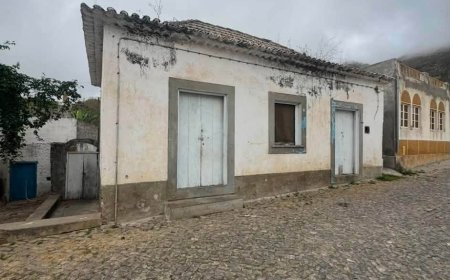
In housing and land-use planning, public neglect is once again taking its toll. There is a shortage of public housing to support young couples, while the architectural heritage of the historic center of Nova Sintra is deteriorating due to a lack of incentives for rehabilitation.
At the same time, families continue to live in areas of high geological risk, with no concrete plans for relocation. Urban planning tools are outdated, blocking potential investments and preventing harmonious and safe urban expansion.
Tourism, so often touted as the savior of island economies, remains an untapped potential on Brava. The island has everything it needs to thrive in ecotourism, mountain trails, and cultural tourism, but it lacks basic infrastructure: there isn’t a single mid-sized hotel, the trails lack signage and maintenance, and Furna does not have a proper ferry terminal to welcome arrivals.
On top of all this, the lack of air travel prevents the island from attracting higher-spending tourists and makes it impossible to integrate Brava into the tourist circuits of the neighboring island of Fogo. Without adequate access, tourism will remain nothing more than a statement of intent with no impact on the local economy.
The result of all these factors is a tragic social reality: Brava has lost 18% of its population since 2010, nearly one-third of its residents are over 60 years old, and the poverty rate stands at 43% of the population—the highest in the country. Three out of every four young people openly express a desire to leave the island.
It is time to bring concrete and immediate measures before Parliament. It is urgent to fund the expansion of the Furna breakwater, contractually guarantee four subsidized weekly ferry connections with Fogo and Santiago, equip the operating room at the Health Center, or build a new health center. It is essential to get the desalination plant up and running, implement the solar farm, create a credit line for cold storage in the fishing industry, and exempt maritime freight for products originating in or destined for Brava from VAT.
Brava is not asking for favors or charity; it merely demands equal rights and compliance with the constitutional principles of territorial cohesion. The people of Brava possess exemplary dignity and work ethic, and their vast diaspora is ready to invest as soon as the government guarantees the basics. To continue ignoring Brava’s cry for help for another five years is to decree the slow death of an island, permanently turning it into a retirement home awaiting the next financial remittance.
Moises Santiago
July 26, 2026